
We jointly develop solutions for the extractive industries, backed by the technological support of a global company.
Field experience and technical knowledge of Oil & Gas combined with advanced models to improve efficiency, safety, and production.
Request Demo →Our clients




Predictive models to anticipate failures and minimize unscheduled maintenance
We improve performance of wells, plants, and critical equipment
Automatic detection of unsafe acts and anomalies through real-time video
Models that identify connections between wells and effects such as channeling, helping to design efficient development strategies, optimize injection, improve recovery, and reduce operating costs.
Events such as channeling, "bypassed oil," and excessively swept zones significantly affect recovery.
Our machine learning and operations research models use data in combination with the physics governing multiphase flow in the reservoir ("Data Physics"), enabling precise characterization of connectivity between producing and injector wells and identifying critical deviations. With this information, specific action plans can be developed and executed to improve injection efficiency and optimize recovery factor.
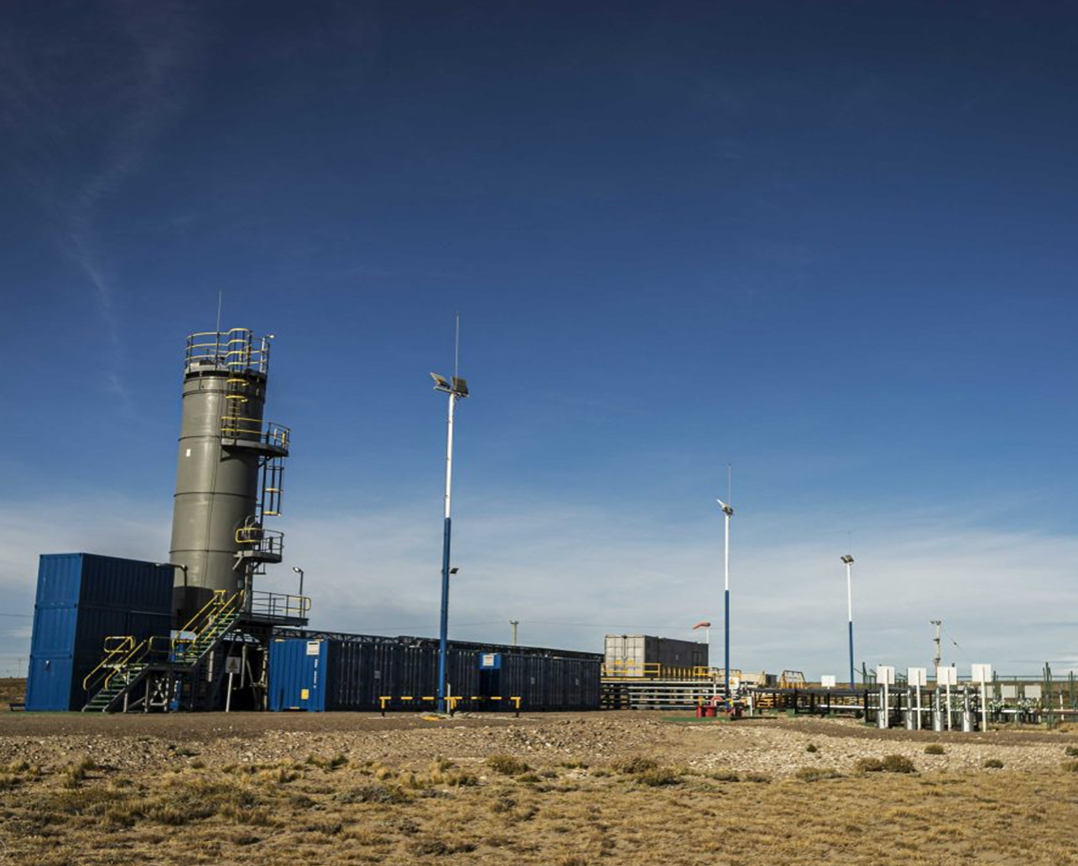
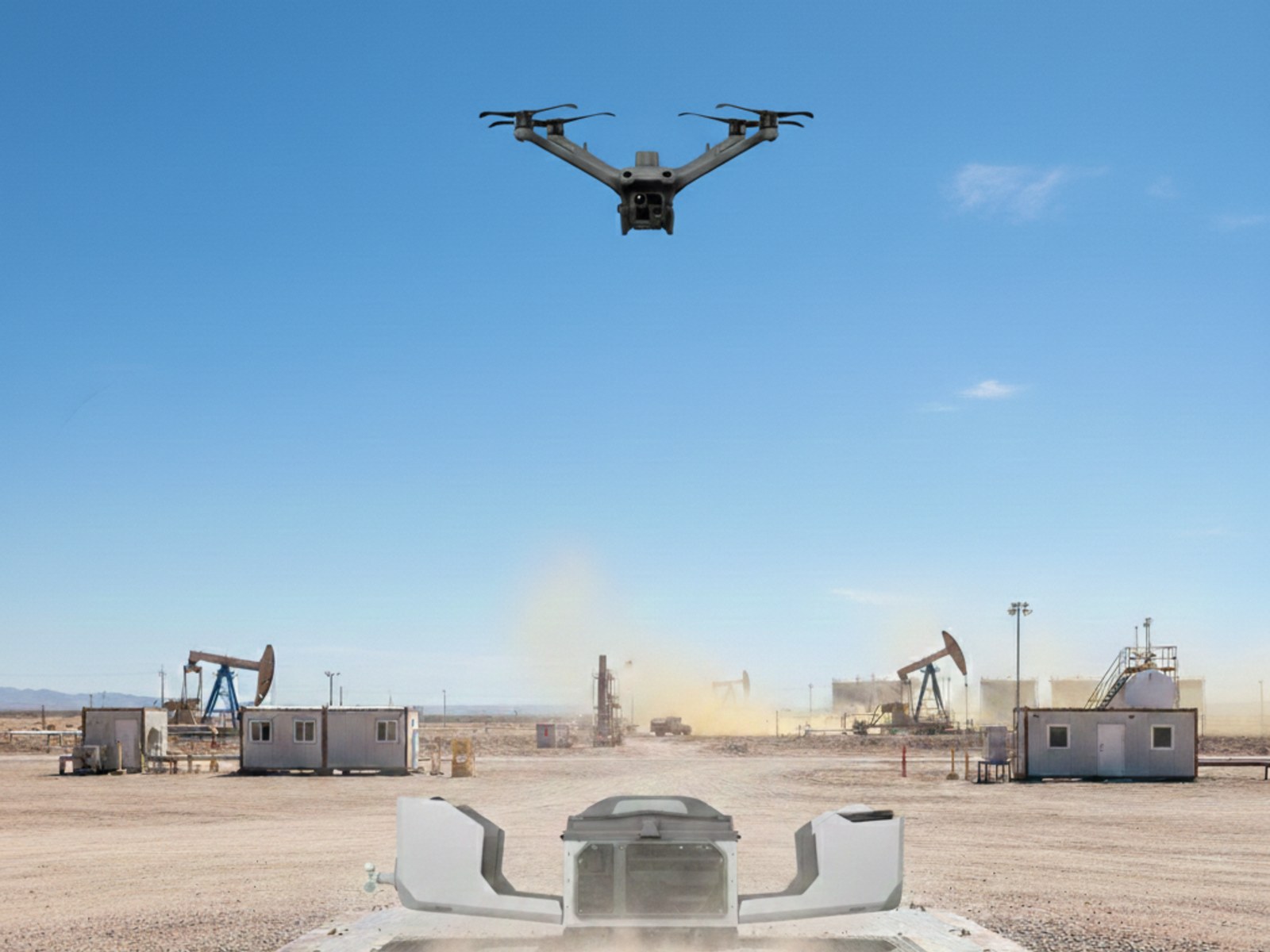
Drone-in-a-box solutions with RGB, thermal, and LiDAR capture. Automatic detection of leaks, corrosion, hot spots, intrusion, and structural anomalies in pads, ducts, and lines.
Leaks, flow losses, and operational anomalies in wells, collectors, batteries, and equipment are common in the field
Our computer vision models detect leaks, flow losses, and anomalous behaviors in real time from images. They identify visual or thermal variations — fluid stains, mists, anomalous vapors, temperature differences, missing components — that anticipate failures before they worsen. This allows automatic alerts to the operations team, reduces downtime, and prevents environmental or operational incidents.
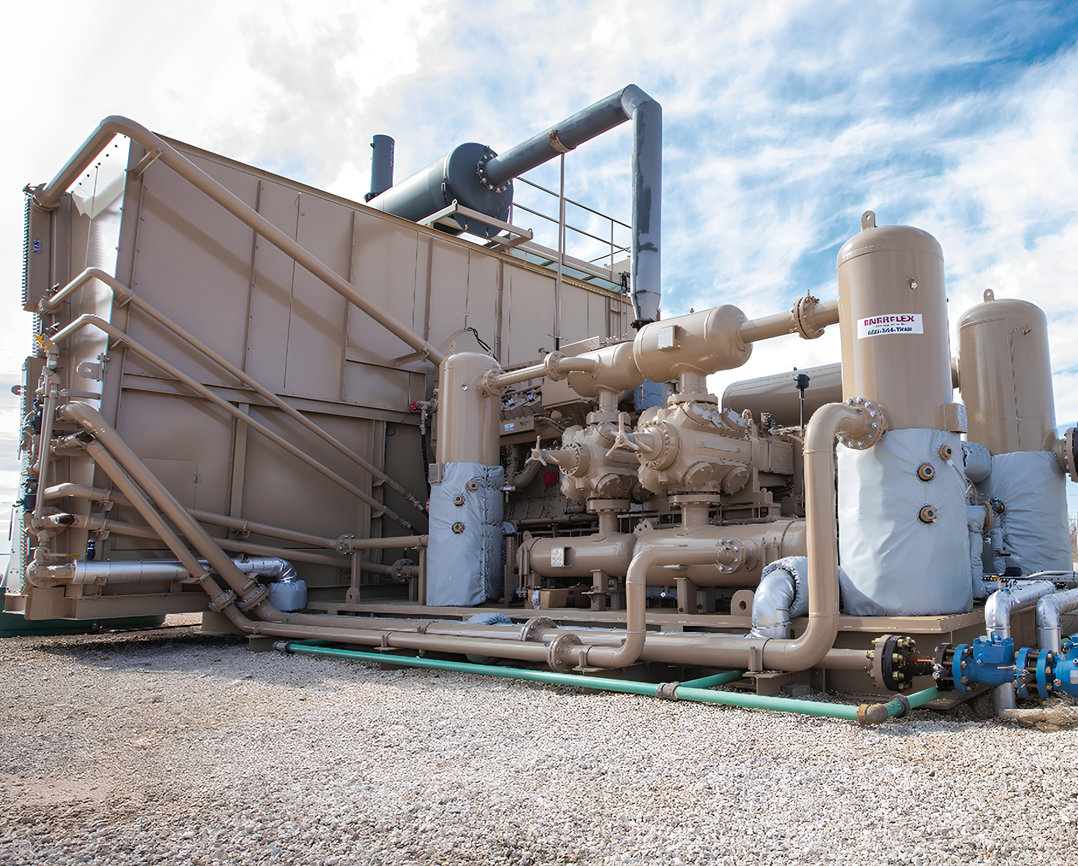
Predictive models for pumps, compressors, generators, and critical equipment. Early anomaly detection, automatic intervention prioritization, and condition-based maintenance.
Preventive and reactive maintenance often generates high costs and unscheduled shutdowns that strongly affect operation profitability.
We implement Machine Learning and operations research models that analyze historical and real-time data, evaluating operating conditions and identifying patterns, anticipating failures, and generating early alerts. This allows scheduling preventive interventions and allocating resources in time, avoiding unscheduled shutdowns, and minimizing production impact.
We apply machine learning and artificial vision algorithms to diagnose the extraction status of wells, anticipate artificial lift system failures, and predict flow problems. We model with optimization techniques (operations research) to maximize production and recovery.
Problem wells, early and/or repetitive failures are often a difficult condition to manage
Our deep learning models work with surface and downhole parameters (sensors) to ensure adequate diagnosis that allows the production engineer to streamline analyses and prioritize follow-up routines.
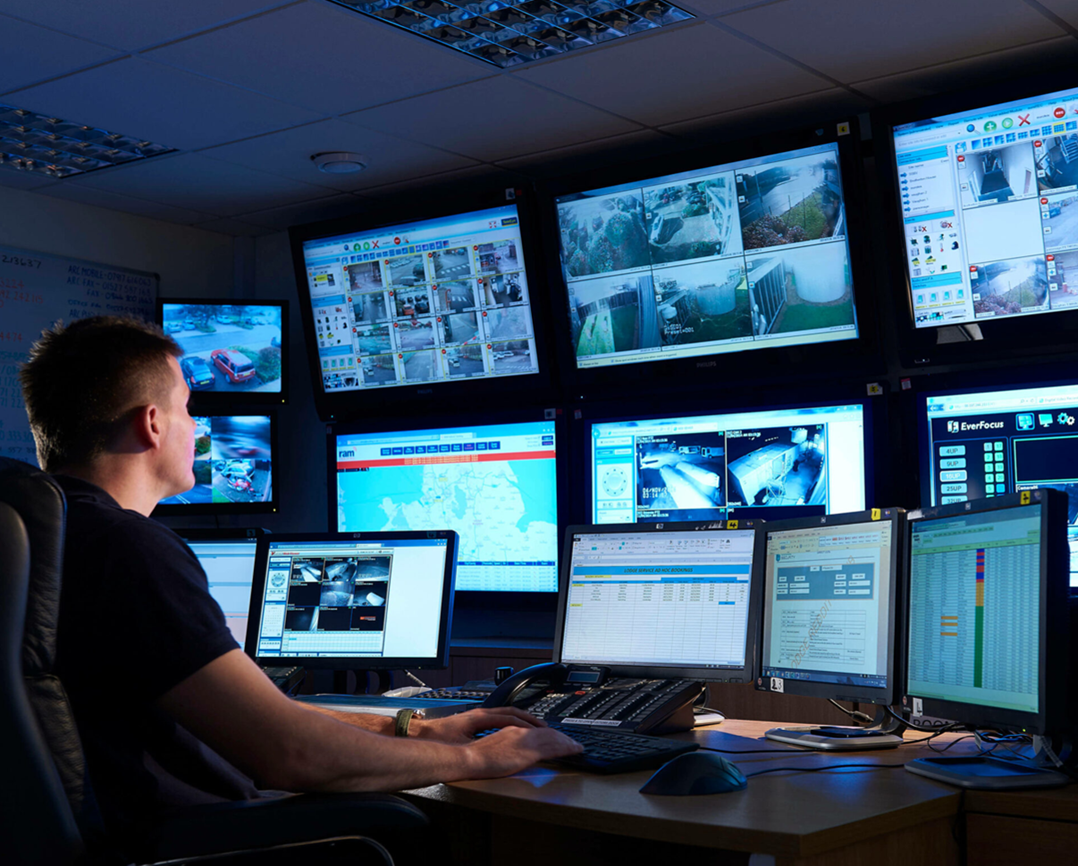
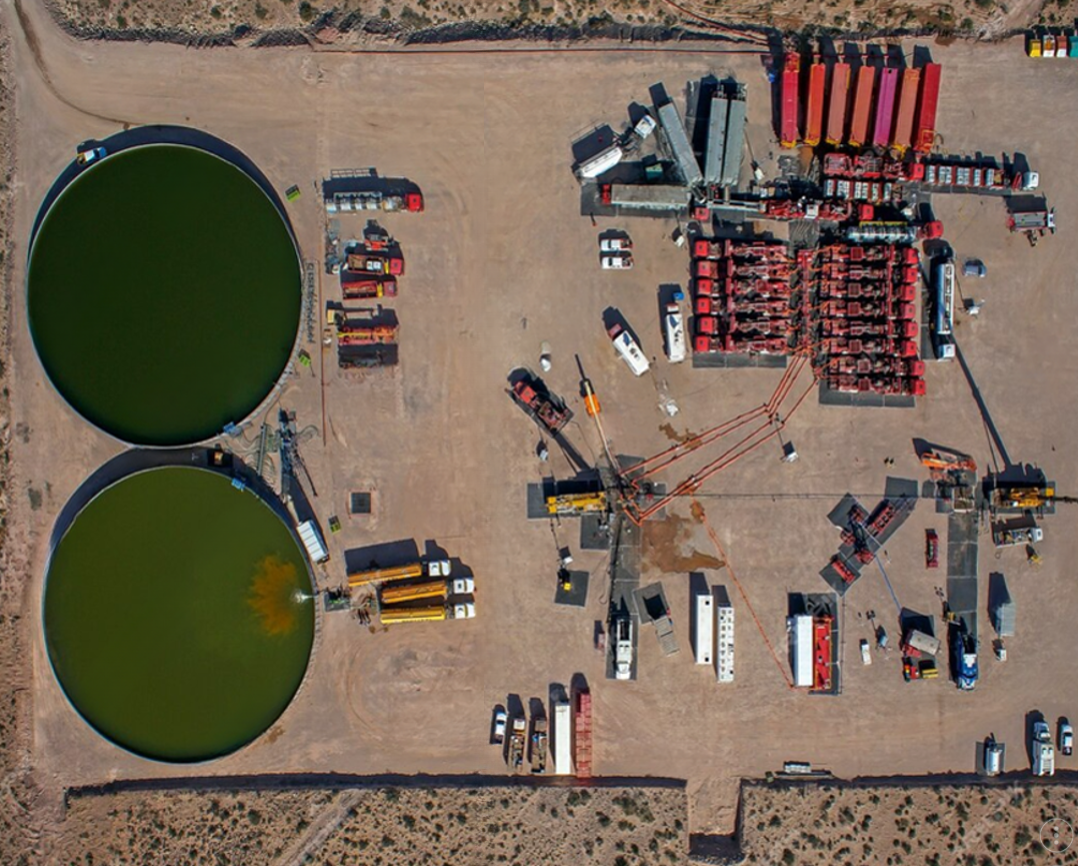
Models that identify and predict both undesirable events and optimization opportunities. Artificial vision that recognizes critical activities and detects unsafe acts in real time.
Screen outs, circulation losses, valve or collector obstructions, frac hits, influxes, or blowouts are costly and require complex remediation tasks.
Machine learning models trained with historical data allow real-time monitoring of the behavior of main operations. Using autoencoder networks and other advanced algorithms, we can detect anomalous patterns that predict the occurrence of undesired phenomena during operations. Early alerts allow teams to prevent risks and anticipate failures.
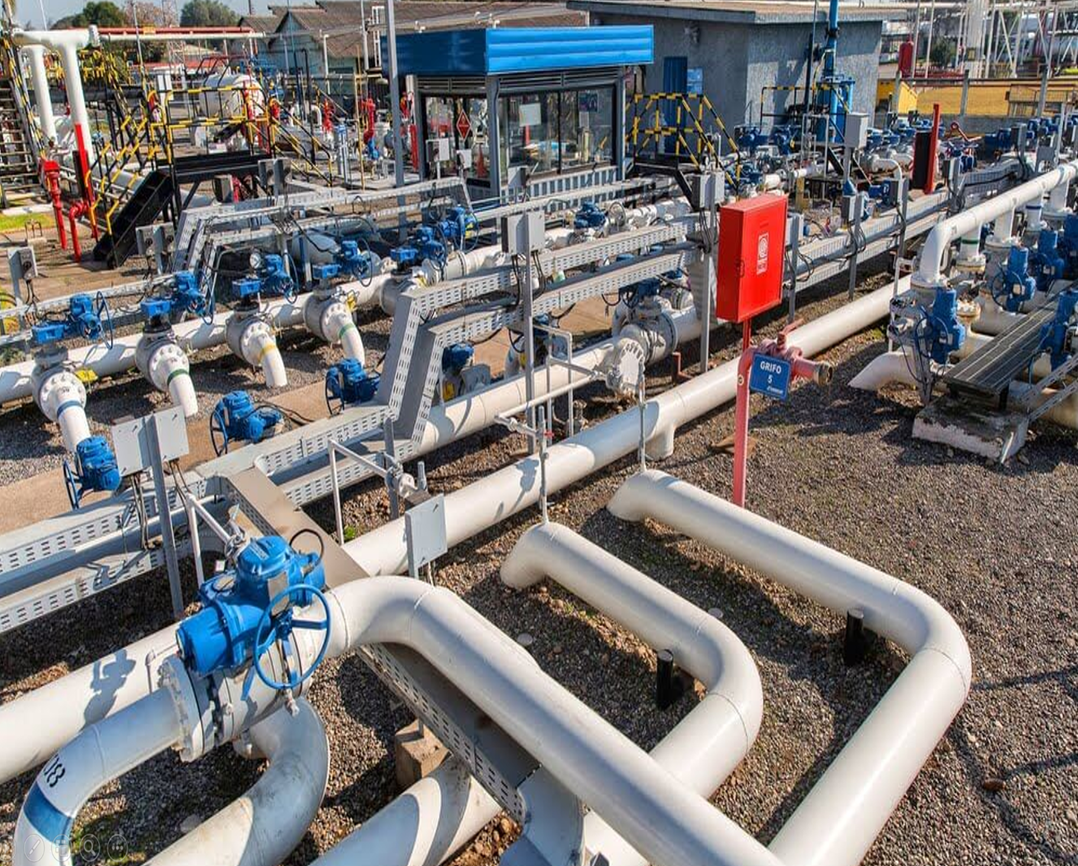
Automatic deviation detection in gas and crude plants. Hybrid models (physics + ML) to improve treatment efficiency (liquid recovery), avoid quality deviations, and reduce losses.
Operational instability, quality deviations of treated product, and process inefficiencies generate additional costs and unnecessarily high operational burden.
We combine deep learning, physical modeling, and optimization techniques to maximize efficiency in gas, crude, and water plants. We detect hidden patterns, anticipate quality deviations, build digital twins of processes, and recommend optimal operating points to achieve more stable, energy-efficient, and efficient operations.
We build alongside partners who amplify our technology and extend our reach.
We jointly develop solutions for the extractive industries, backed by the technological support of a global company.
We expand Vexta's presence in the North American market, supported by a strategic partner with local presence.
We add facility-monitoring capabilities, together with a company specialized in drone technology.

Digital Product Engineer
with over 15 years creating and scaling technological solutions for companies in multiple industries
view linkedin
Engineer with over 20 years
of experience in the Oil & Gas industry, led operations, development, and strategic planning at companies like Pan American Energy, YPF, and CGC
view linkedinWe don't just analyze patterns; we understand the physics behind operations. Our architecture integrates physical models with state-of-the-art Machine Learning algorithms. This enables executing actions in a fraction of the time, with greater precision and lower cost
We bridge the gap between field sensors and the control dashboard in the office.
Solutions designed to grow at the pace of new blocks and drilling pad development.
We design workflows that operations teams actually adopt, transforming organizational culture through technology.
If you are interested in any of our products, complete the form...
... or write to us via
whatsapp